What a genuine panchakarma programme involves, how long it takes, and how to tell a clinic from a spa.
Ayurveda in Sri Lanka is a regulated clinical tradition with its own university faculties, its own pharmacopoeia and its own registration body for physicians. It is also, in the tourism market, a word applied fairly freely to hotel massage menus.
Telling the two apart is straightforward once you know what to look for.
It starts with a diagnosis
A genuine programme begins with a consultation with a registered physician: history, pulse reading, and an assessment of your constitutional type and current imbalance. Everything that follows is prescribed on the basis of that assessment.
If you can book individual treatments from a list without seeing a doctor, you are in a spa. That is a perfectly pleasant thing to be in. It is not Ayurveda.
It takes time
Panchakarma, the core detoxification programme, needs fourteen days minimum to do meaningful work, and twenty-one is better. Shorter stays can be genuinely restorative but they are not the same treatment.
The diet is part of the treatment
You will be put on a prescribed diet, usually vegetarian, often quite plain, and adjusted as the programme progresses. Alcohol is excluded. Coffee usually is too.
This is the part guests find hardest and the part that does the most work.
Tell them about your medication
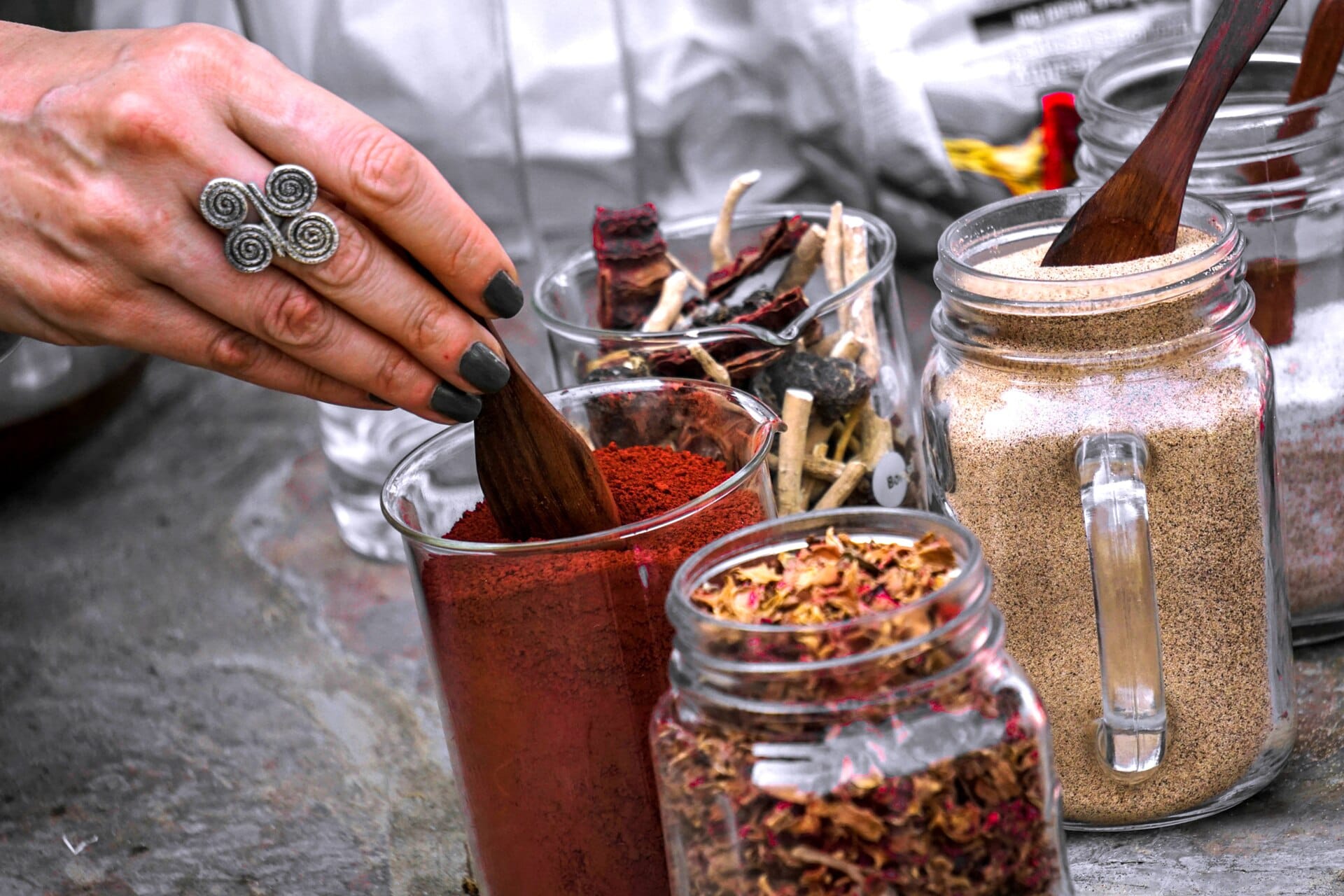
Herbal preparations interact with pharmaceuticals. Any competent physician will ask; tell them fully, and tell us in advance so the retreat is briefed before you arrive.
Thinking about a trip like this?
We build every itinerary from scratch. Tell us roughly what you have in mind and we will come back with a written route, suggested properties and an indicative cost.